A park becomes an institution
The Hudson River Park Act created the Trust, designated park boundaries and joined public access with protection of the river environment.
Civic Leadership Program · Development Session #3
A field investigation of how New York’s waterfront became public, ecological, productive—and contested.
WORK / WATER / PUBLIC LIFEOne edge. Many systems.
00 / HOW TO PARTICIPATE
At each stop, consider the site’s history, ecology, governance and public life. Record one observation to bring into the afternoon discussion.
01 / RESEARCH BRIEF
It is simultaneously habitat, public realm, real estate, transportation corridor, industrial land and critical infrastructure. The tour follows how those systems overlap—and where they compete.
The Hudson River Park Act created the Trust, designated park boundaries and joined public access with protection of the river environment.
The park reconnects neighborhoods to the river across a long corridor, but each pier carries a different history, program and capital burden.
The estuarine sanctuary makes habitat, research and stewardship part of the park’s mandate—not a decorative layer beside it.
Revenue generated within the park supports care and operations. Commercial uses, public programs and maintenance therefore remain connected.
02 / FIELD GUIDE
Southbound · approximately 0.8 miles
Diagrammatic sequence, not a navigation map
One site, several public lives
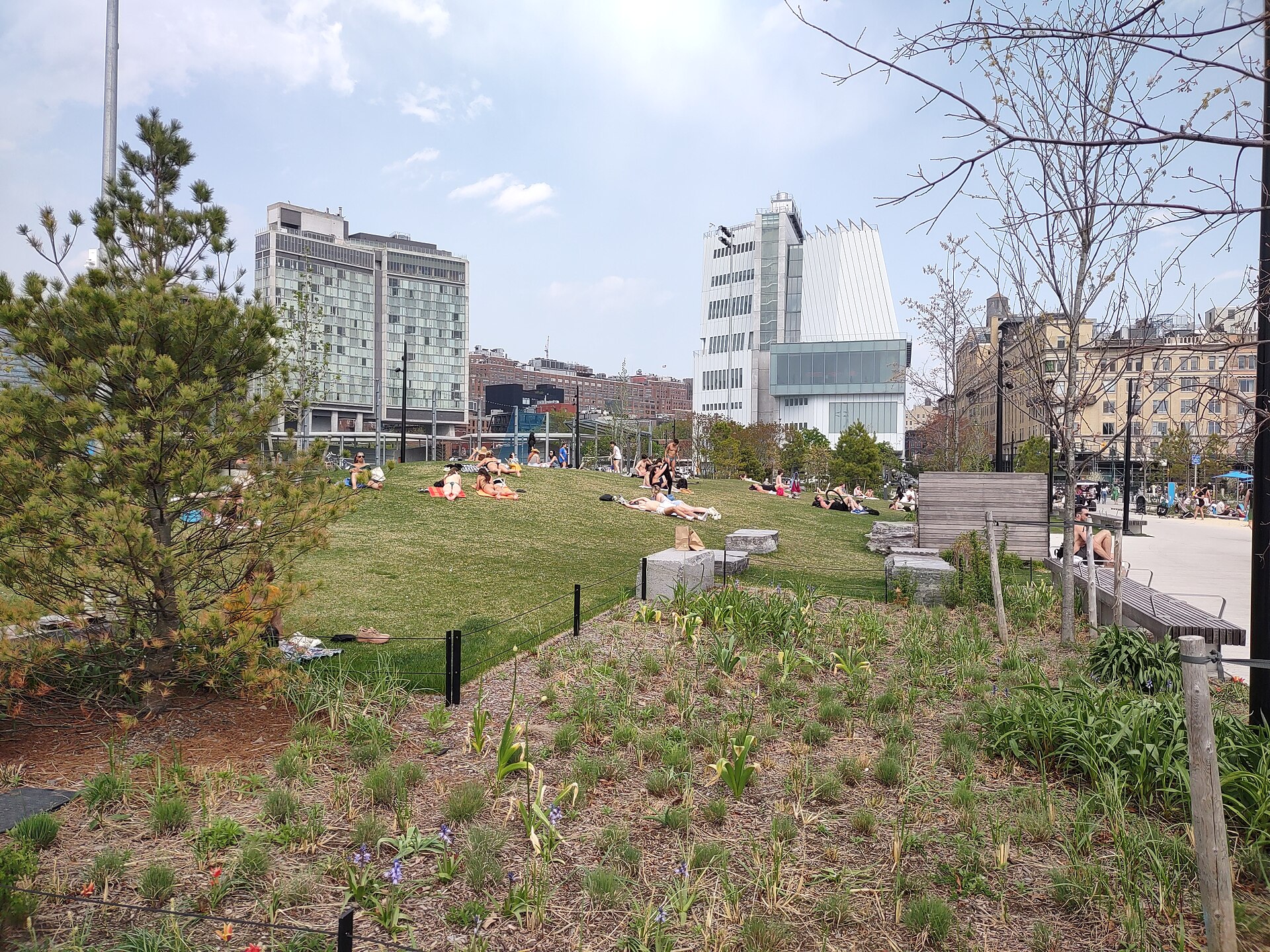
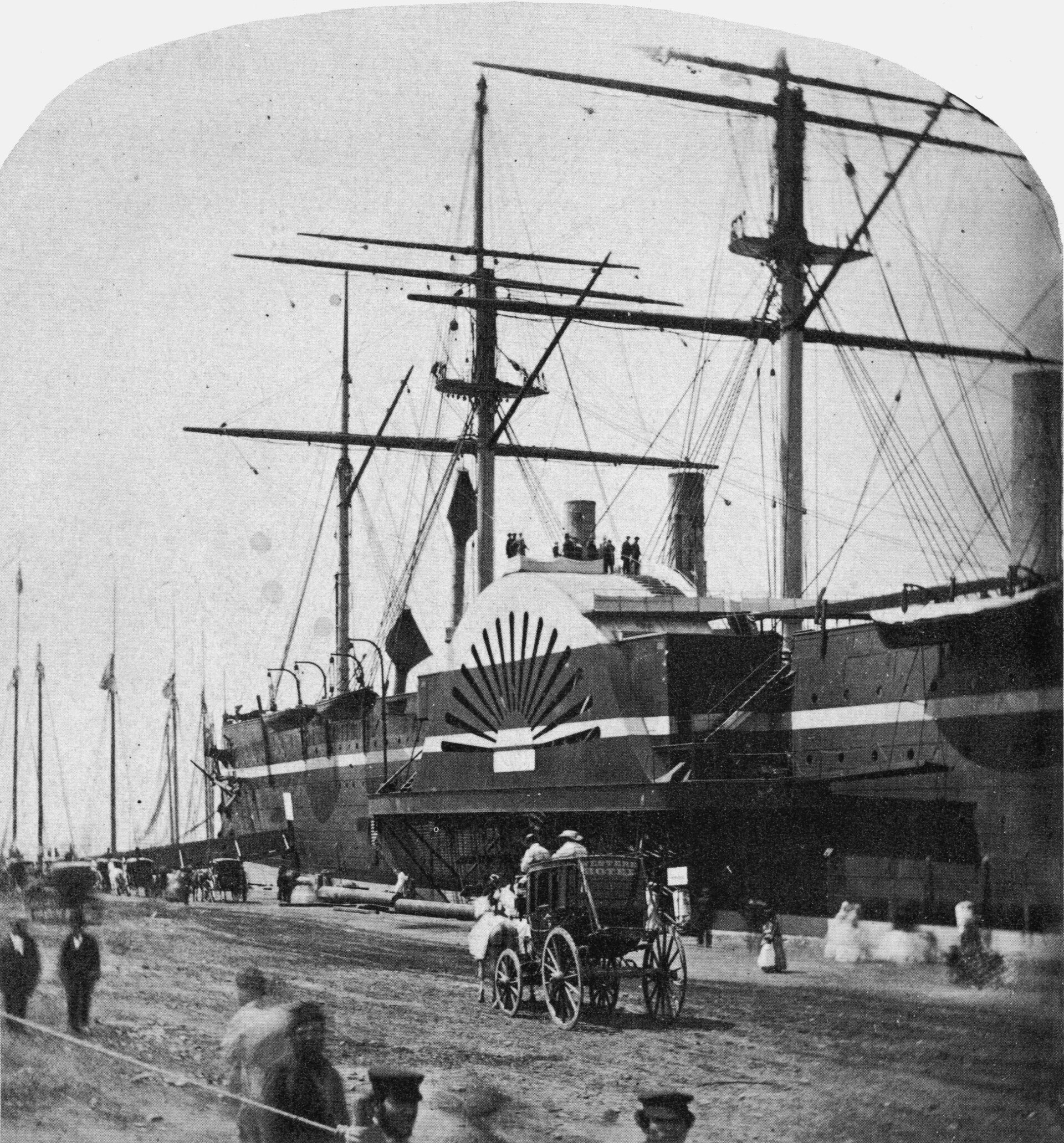
The peninsula sits on filled land at the foot of Gansevoort Street, where a productive waterfront supported nearby markets and municipal functions. The site later housed sanitation operations. Today, recreation, an upland beach, salt-marsh habitat and public art occupy the same edge.
Transformation creates access and ecological value, but it also edits the public memory of work, waste and infrastructure.
FIELD PROMPT
Carry to the panelOnce public investment makes a waterfront safer and more attractive, what obligations should shape the value that follows?
03 / TRADE-OFF LAB
Select exactly three priorities for the waterfront’s next thirty years. The limit is intentional: civic leadership begins when values compete for land, money and institutional attention.
This is a discussion signal from this session—not a representative public opinion survey.
04 / PANEL LAB
Choose one waterfront dilemma and compare how each panelist’s role shapes the decisions they face.
Pier 40 needs revenue, repair and continued public use. What is the first decision—not the final design?
NYCEDC · Capital delivery
How public vision becomes a funded, permitted and buildable capital project.
What makes the capital plan credible?
Use this space during the discussion.
ONE · Resilience design
How ecological performance and daily public life are designed as one system.
What must perform in a storm and on Tuesday?
Use this space during the discussion.
MVRDV · Urban development
How density, program and long-term adaptability can produce public value.
Which program can change over thirty years?
Use this space during the discussion.
DCAS · Public assets
How public land, procurement and stewardship shape what can actually be delivered.
Which public-land obligation is non-negotiable?
Use this space during the discussion.
AUDIENCE PRIORITY
Tap one. Your selection is stored on this device and can be shown to the moderator.
05 / YOUR PANEL BRIEF
Your choices create a short briefing to use during the moderated discussion. Add one sentence that names the tension you want the panel to confront.
Your waterfront position
Unwritten position06 / COMMUNITY GUESTBOOK
Share an observation, question or priority. New messages appear here for other visitors.